Dr Utkarsh Kumar Consultant | Cardiologist-Heart Care Centre

Acute Cardiac Emergencies: Recognising the Warning Signs and Acting Without Delay
Acute Cardiac Emergencies: Recognising the Warning Signs and Acting Without Delay

Acute cardiac emergencies are serious medical conditions that occur suddenly and require immediate attention. They can affect the heart’s ability to pump blood effectively and may quickly become life threatening if treatment is delayed. Understanding the symptoms, recognising the warning signs and seeking medical care at the right time can make a significant difference to patient outcomes.

Heart related emergencies can affect people of different ages, although certain factors such as high blood pressure, diabetes, smoking, obesity, high cholesterol and a family history of heart disease can increase the risk. Prompt diagnosis and specialised cardiac treatment are essential for protecting heart function and saving lives.

What Is an Acute Cardiac Emergency?

An acute cardiac emergency refers to a sudden and serious problem involving the heart or the blood vessels that supply it. These conditions often develop rapidly and can cause severe damage to the heart muscle or other organs when blood flow is interrupted.

Some of the most common acute cardiac emergencies include heart attacks, cardiac arrest, severe chest pain caused by reduced blood flow to the heart, dangerous heart rhythm disturbances and acute heart failure.

While these conditions may have different causes and symptoms, they all require urgent medical evaluation.

Heart Attack

A heart attack occurs when the blood supply to a portion of the heart muscle becomes blocked. The blockage is often caused by the formation of a blood clot inside a coronary artery. When blood flow is interrupted, the affected heart muscle does not receive sufficient oxygen and can begin to suffer permanent damage.

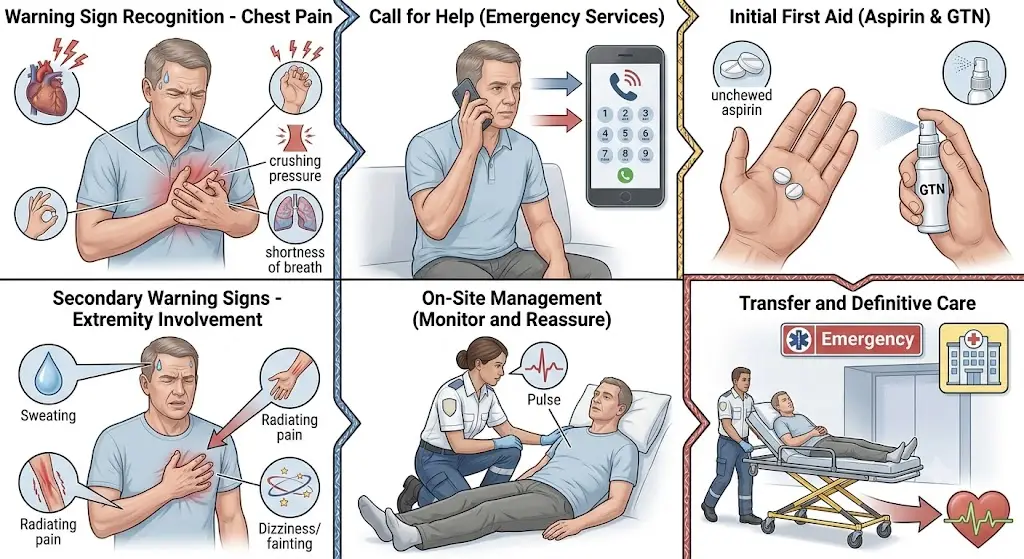
The most common symptom of a heart attack is chest discomfort. However, the experience can vary significantly from person to person.

Common symptoms may include:

• Pressure, tightness or heaviness in the chest

• Pain spreading to the arm, shoulder, jaw, neck or back

• Shortness of breath

• Excessive sweating

• Nausea or vomiting

• Sudden weakness

• Dizziness or light headedness

Some individuals, particularly women, elderly patients and people with diabetes, may experience less typical symptoms. They may feel unusual fatigue, indigestion, breathlessness or discomfort without severe chest pain.

Any unexplained chest discomfort should be taken seriously, especially when it develops suddenly or is associated with sweating or difficulty breathing.

Cardiac Arrest

Cardiac arrest is one of the most serious cardiac emergencies. It occurs when the heart suddenly stops pumping blood effectively. The person may collapse, lose consciousness and stop breathing normally.

Unlike a heart attack, cardiac arrest involves a sudden failure of the heart’s electrical system. However, a heart attack can sometimes trigger a cardiac arrest.

Immediate action is essential. Emergency medical services should be contacted immediately, and cardiopulmonary resuscitation should be started if the person is unresponsive and not breathing normally. The use of an automated external defibrillator can also be life saving when available.

Every minute without effective treatment reduces the chances of survival. Rapid emergency response is therefore extremely important.

Dangerous Heart Rhythm Disturbances

The heart normally beats in a regular rhythm controlled by electrical signals. Sometimes these signals become abnormal and cause the heart to beat too quickly, too slowly or irregularly.

Certain rhythm disturbances can become dangerous when they prevent the heart from pumping sufficient blood to the body.

Symptoms may include:

• Rapid or forceful heartbeat

• Palpitations

• Chest discomfort

• Shortness of breath

• Dizziness

• Fainting

• Sudden weakness

Some rhythm disorders may be temporary and harmless, while others require immediate medical treatment. A patient who experiences fainting, severe dizziness or chest pain along with an abnormal heartbeat should receive urgent medical evaluation.

Acute Heart Failure

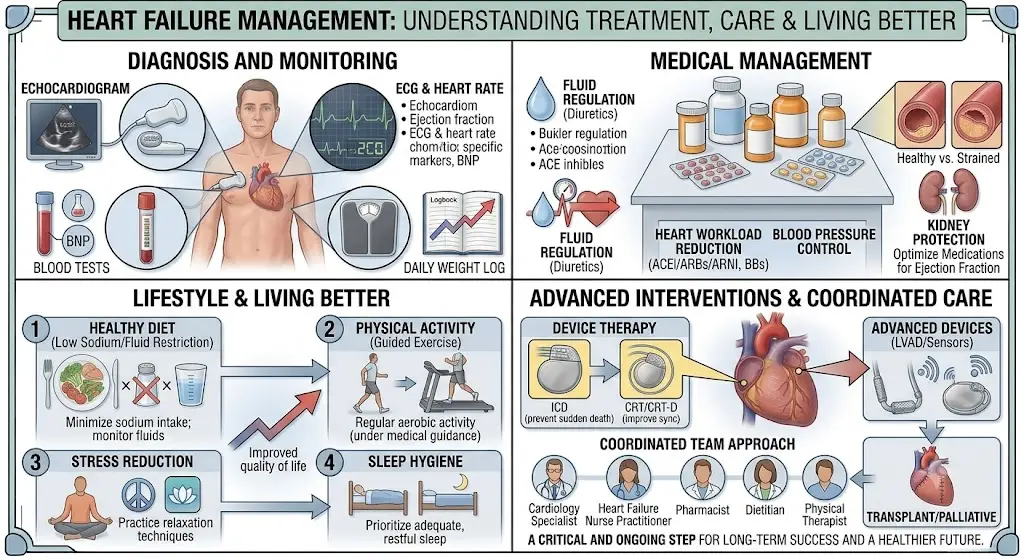
Heart failure does not necessarily mean that the heart has stopped working. It means that the heart is unable to pump blood efficiently enough to meet the body’s needs.

Acute heart failure can develop suddenly or worsen rapidly in someone with an existing heart condition. It may occur because of a heart attack, severe high blood pressure, heart valve problems or certain rhythm disturbances.

Common symptoms include severe shortness of breath, difficulty breathing while lying down, persistent coughing, swelling in the legs and extreme fatigue.

In severe cases, fluid can accumulate in the lungs and make breathing extremely difficult. This requires immediate hospital treatment.

Why Every Minute Matters

During an acute cardiac emergency, time plays a critical role. A heart attack can damage the heart muscle with every passing minute when blood flow remains blocked. Similarly, cardiac arrest can quickly lead to brain damage and death without immediate intervention.

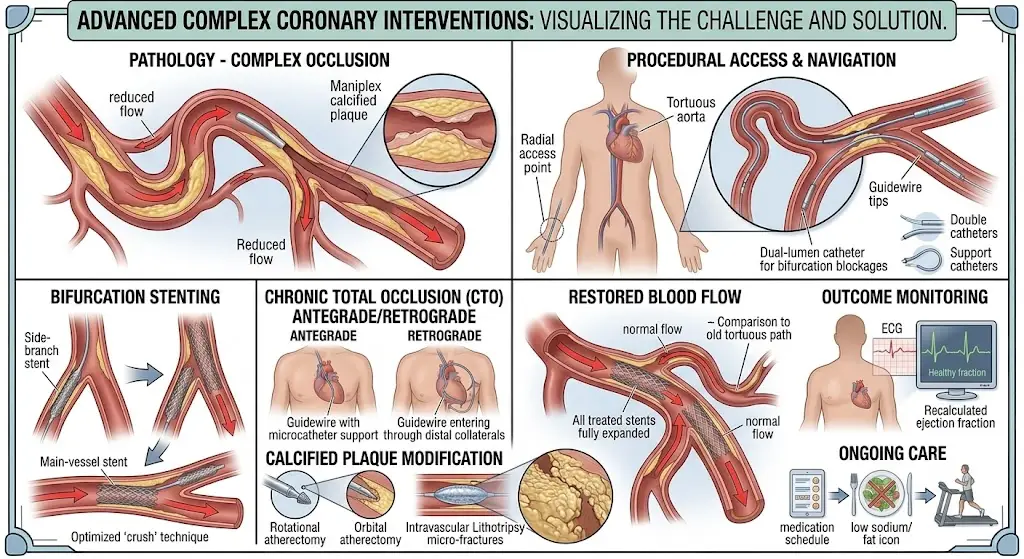
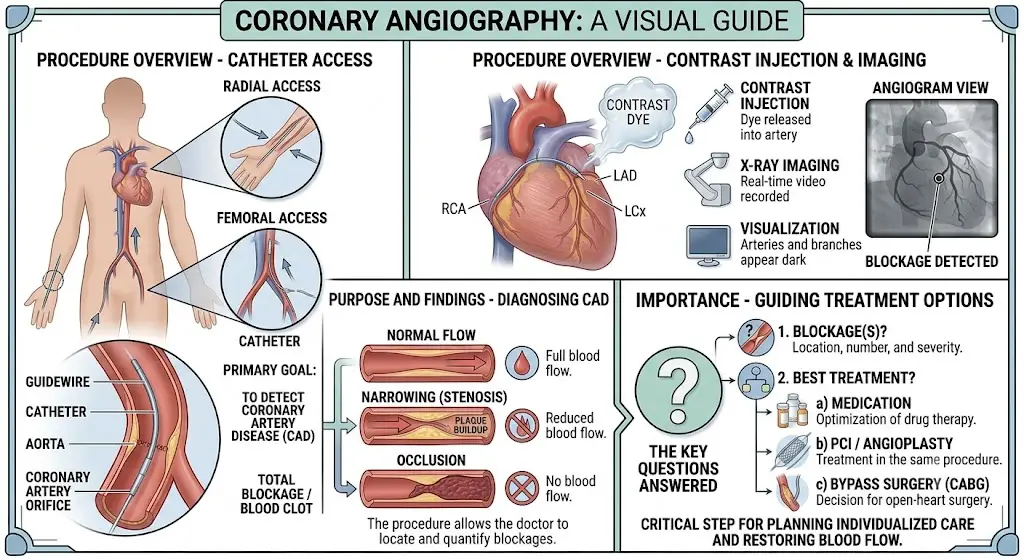
Modern cardiology offers several effective treatments for acute cardiac conditions. These may include medications, emergency coronary angiography, angioplasty, stent placement, defibrillation and advanced cardiac support.

The earlier a patient reaches a hospital equipped to manage cardiac emergencies, the greater the possibility of limiting damage and improving recovery.

This is why people should never ignore severe or persistent symptoms in the hope that they will disappear on their own.

What Should You Do During a Suspected Cardiac Emergency?

The first and most important step is to remain calm and seek emergency medical help immediately.

A person experiencing severe chest pain, sudden breathing difficulty, loss of consciousness or other serious cardiac symptoms should not attempt to drive themselves to the hospital. Emergency medical services should be contacted whenever possible.

If someone becomes unconscious and is not breathing normally, people nearby should seek immediate emergency assistance and begin cardiopulmonary resuscitation if they have been trained to do so.

Quick communication with healthcare professionals can help ensure that appropriate treatment begins as soon as possible.

Who Is at Greater Risk?

Several factors can increase the risk of developing serious heart problems. Some of these can be controlled through lifestyle changes and appropriate medical care.

Important risk factors include high blood pressure, diabetes, high cholesterol, smoking, obesity, physical inactivity, chronic stress and an unhealthy diet.

A family history of heart disease can also increase risk. Regular health checkups are especially important for individuals with multiple risk factors.

Preventive cardiology focuses on identifying these risks before a serious emergency occurs. Early diagnosis and appropriate treatment can significantly reduce the likelihood of major cardiac events.

The Importance of Regular Cardiac Care

Many acute cardiac emergencies develop in people who already have underlying heart disease without being aware of it. Conditions such as high blood pressure and high cholesterol may not produce obvious symptoms for many years.

Regular cardiac evaluations can help identify potential problems early. Depending on an individual’s symptoms and risk factors, a cardiologist may recommend tests such as an electrocardiogram, echocardiogram, stress testing or coronary imaging.

Patients who have previously experienced a heart attack or undergone a cardiac procedure should also maintain regular follow up with their healthcare team.

Following prescribed medications, maintaining a healthy lifestyle and attending regular checkups are important steps in protecting long term heart health.

Conclusion

Acute cardiac emergencies can occur suddenly, but recognising the warning signs can save valuable time and potentially save a life. Chest discomfort, severe breathlessness, sudden collapse, fainting and unusual sweating should never be ignored.

Early medical intervention can protect the heart muscle, prevent serious complications and improve the chances of recovery.

Taking care of your heart should not begin only after an emergency occurs. Regular health monitoring, a balanced lifestyle and timely consultation with a qualified cardiologist can help identify risks before they become life threatening.

If you or someone around you experiences symptoms suggesting a cardiac emergency, seek immediate emergency medical care.

Acute Cardiac Emergencies: Recognising the Warning Signs and Acting Without Delay

Acute Cardiac Emergencies: Recognising the Warning Signs and Acting Without Delay

Acute cardiac emergencies are serious medical conditions that occur suddenly and require immediate attention. They can affect the heart’s ability to pump blood effectively and may quickly become life threatening if treatment is delayed. Understanding the symptoms, recognising the warning signs and seeking medical care at the right time can make a significant difference to patient outcomes.

Heart related emergencies can affect people of different ages, although certain factors such as high blood pressure, diabetes, smoking, obesity, high cholesterol and a family history of heart disease can increase the risk. Prompt diagnosis and specialised cardiac treatment are essential for protecting heart function and saving lives.

What Is an Acute Cardiac Emergency?

An acute cardiac emergency refers to a sudden and serious problem involving the heart or the blood vessels that supply it. These conditions often develop rapidly and can cause severe damage to the heart muscle or other organs when blood flow is interrupted.

Some of the most common acute cardiac emergencies include heart attacks, cardiac arrest, severe chest pain caused by reduced blood flow to the heart, dangerous heart rhythm disturbances and acute heart failure.

While these conditions may have different causes and symptoms, they all require urgent medical evaluation.

Heart Attack

A heart attack occurs when the blood supply to a portion of the heart muscle becomes blocked. The blockage is often caused by the formation of a blood clot inside a coronary artery. When blood flow is interrupted, the affected heart muscle does not receive sufficient oxygen and can begin to suffer permanent damage.

The most common symptom of a heart attack is chest discomfort. However, the experience can vary significantly from person to person.

Common symptoms may include:

• Pressure, tightness or heaviness in the chest

• Pain spreading to the arm, shoulder, jaw, neck or back

• Shortness of breath

• Excessive sweating

• Nausea or vomiting

• Sudden weakness

• Dizziness or light headedness

Some individuals, particularly women, elderly patients and people with diabetes, may experience less typical symptoms. They may feel unusual fatigue, indigestion, breathlessness or discomfort without severe chest pain.

Any unexplained chest discomfort should be taken seriously, especially when it develops suddenly or is associated with sweating or difficulty breathing.

Cardiac Arrest

Cardiac arrest is one of the most serious cardiac emergencies. It occurs when the heart suddenly stops pumping blood effectively. The person may collapse, lose consciousness and stop breathing normally.

Unlike a heart attack, cardiac arrest involves a sudden failure of the heart’s electrical system. However, a heart attack can sometimes trigger a cardiac arrest.

Immediate action is essential. Emergency medical services should be contacted immediately, and cardiopulmonary resuscitation should be started if the person is unresponsive and not breathing normally. The use of an automated external defibrillator can also be life saving when available.

Every minute without effective treatment reduces the chances of survival. Rapid emergency response is therefore extremely important.

Dangerous Heart Rhythm Disturbances

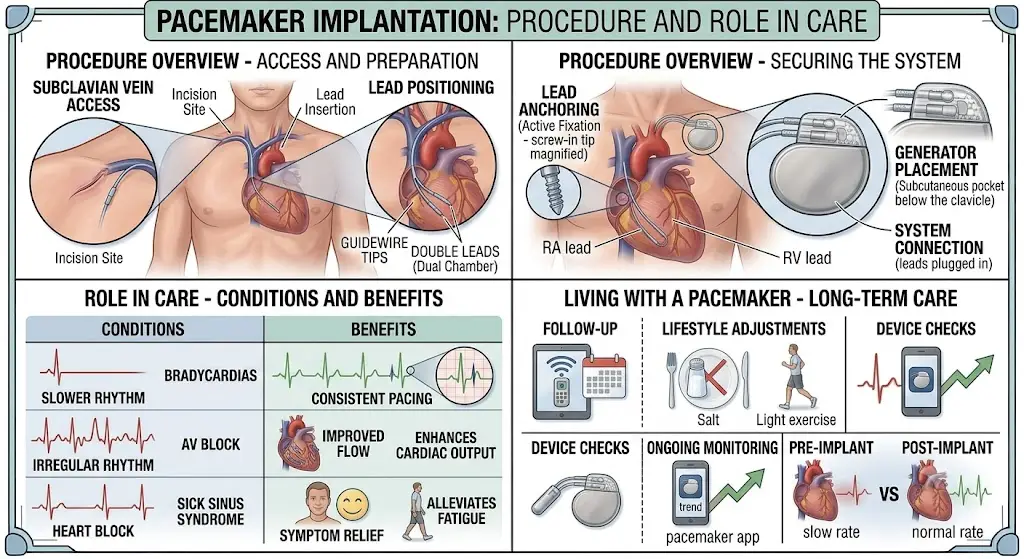
The heart normally beats in a regular rhythm controlled by electrical signals. Sometimes these signals become abnormal and cause the heart to beat too quickly, too slowly or irregularly.

Certain rhythm disturbances can become dangerous when they prevent the heart from pumping sufficient blood to the body.

Symptoms may include:

• Rapid or forceful heartbeat

• Palpitations

• Chest discomfort

• Shortness of breath

• Dizziness

• Fainting

• Sudden weakness

Some rhythm disorders may be temporary and harmless, while others require immediate medical treatment. A patient who experiences fainting, severe dizziness or chest pain along with an abnormal heartbeat should receive urgent medical evaluation.

Acute Heart Failure

Heart failure does not necessarily mean that the heart has stopped working. It means that the heart is unable to pump blood efficiently enough to meet the body’s needs.

Acute heart failure can develop suddenly or worsen rapidly in someone with an existing heart condition. It may occur because of a heart attack, severe high blood pressure, heart valve problems or certain rhythm disturbances.

Common symptoms include severe shortness of breath, difficulty breathing while lying down, persistent coughing, swelling in the legs and extreme fatigue.

In severe cases, fluid can accumulate in the lungs and make breathing extremely difficult. This requires immediate hospital treatment.

Why Every Minute Matters

During an acute cardiac emergency, time plays a critical role. A heart attack can damage the heart muscle with every passing minute when blood flow remains blocked. Similarly, cardiac arrest can quickly lead to brain damage and death without immediate intervention.

Modern cardiology offers several effective treatments for acute cardiac conditions. These may include medications, emergency coronary angiography, angioplasty, stent placement, defibrillation and advanced cardiac support.

The earlier a patient reaches a hospital equipped to manage cardiac emergencies, the greater the possibility of limiting damage and improving recovery.

This is why people should never ignore severe or persistent symptoms in the hope that they will disappear on their own.

What Should You Do During a Suspected Cardiac Emergency?

The first and most important step is to remain calm and seek emergency medical help immediately.

A person experiencing severe chest pain, sudden breathing difficulty, loss of consciousness or other serious cardiac symptoms should not attempt to drive themselves to the hospital. Emergency medical services should be contacted whenever possible.

If someone becomes unconscious and is not breathing normally, people nearby should seek immediate emergency assistance and begin cardiopulmonary resuscitation if they have been trained to do so.

Quick communication with healthcare professionals can help ensure that appropriate treatment begins as soon as possible.

Who Is at Greater Risk?

Several factors can increase the risk of developing serious heart problems. Some of these can be controlled through lifestyle changes and appropriate medical care.

Important risk factors include high blood pressure, diabetes, high cholesterol, smoking, obesity, physical inactivity, chronic stress and an unhealthy diet.

A family history of heart disease can also increase risk. Regular health checkups are especially important for individuals with multiple risk factors.

Preventive cardiology focuses on identifying these risks before a serious emergency occurs. Early diagnosis and appropriate treatment can significantly reduce the likelihood of major cardiac events.

The Importance of Regular Cardiac Care

Many acute cardiac emergencies develop in people who already have underlying heart disease without being aware of it. Conditions such as high blood pressure and high cholesterol may not produce obvious symptoms for many years.

Regular cardiac evaluations can help identify potential problems early. Depending on an individual’s symptoms and risk factors, a cardiologist may recommend tests such as an electrocardiogram, echocardiogram, stress testing or coronary imaging.

Patients who have previously experienced a heart attack or undergone a cardiac procedure should also maintain regular follow up with their healthcare team.

Following prescribed medications, maintaining a healthy lifestyle and attending regular checkups are important steps in protecting long term heart health.

Conclusion

Acute cardiac emergencies can occur suddenly, but recognising the warning signs can save valuable time and potentially save a life. Chest discomfort, severe breathlessness, sudden collapse, fainting and unusual sweating should never be ignored.

Early medical intervention can protect the heart muscle, prevent serious complications and improve the chances of recovery.

Taking care of your heart should not begin only after an emergency occurs. Regular health monitoring, a balanced lifestyle and timely consultation with a qualified cardiologist can help identify risks before they become life threatening.

If you or someone around you experiences symptoms suggesting a cardiac emergency, seek immediate emergency medical care.

Facebook
Twitter
LinkedIn
Print

Leave a Reply

Your email address will not be published. Required fields are marked *

Facebook
Twitter
LinkedIn
Print

Leave a Reply

Your email address will not be published. Required fields are marked *