Pacemaker Implantation: Understanding the Procedure and Its Role in Heart Rhythm Care
The human heart depends on a carefully coordinated electrical system to maintain a regular heartbeat. With every beat, electrical signals travel through the heart and instruct its chambers to contract in the correct sequence. This process allows the heart to pump oxygen rich blood throughout the body.
Sometimes, however, the heart’s natural electrical system does not function properly. The heartbeat may become too slow, irregular or unreliable. When this affects the heart’s ability to supply enough blood to the body, a pacemaker may be recommended.
Pacemaker implantation is a well established cardiac procedure that helps regulate the heartbeat in patients with certain rhythm disorders. Modern pacemakers are small, sophisticated devices that can monitor the heart continuously and provide electrical stimulation whenever necessary.
Understanding why a pacemaker is needed, how the implantation procedure is performed and what life is like after receiving one can help patients and their families feel more informed and confident about their cardiac care.
What Is a Pacemaker?
A pacemaker is a small medical device designed to help regulate the rhythm of the heart. It is commonly used when the heart beats too slowly or when the natural electrical signals responsible for maintaining a regular heartbeat are not functioning properly.
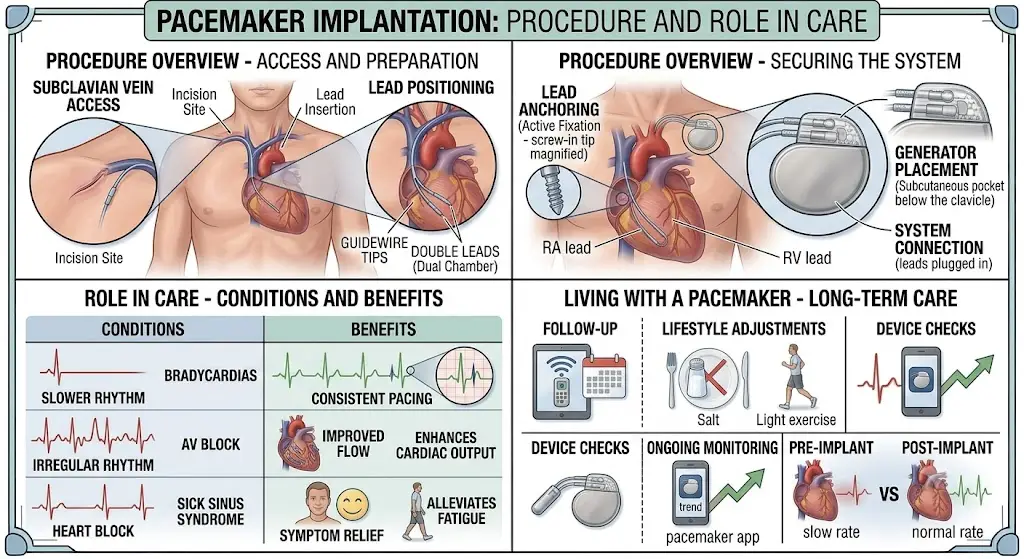
A traditional pacemaker generally consists of two main components.
The first component is a small pulse generator. This contains a battery and electronic circuitry that monitors the heart’s electrical activity and generates signals when needed.
The second component consists of thin insulated wires called leads. These leads are placed inside specific chambers of the heart and carry electrical signals between the pacemaker and the heart muscle.
The pacemaker continuously monitors the natural heartbeat. If the heart is beating normally, the device may remain inactive. When the heartbeat becomes too slow or pauses unexpectedly, the pacemaker can deliver a small electrical impulse to encourage the heart to beat at an appropriate rate.
Why Is Pacemaker Implantation Needed?
Pacemaker implantation may be recommended for patients with certain heart rhythm disorders.
One of the most common reasons is a condition known as bradycardia, which means that the heart beats too slowly. A slow heart rate may reduce the amount of blood reaching important organs, including the brain.
Patients with significant bradycardia may experience symptoms such as fatigue, dizziness, weakness, shortness of breath or fainting.
Another condition that may require a pacemaker is sick sinus syndrome. In this condition, the sinus node, which acts as the heart’s natural pacemaker, does not produce electrical signals reliably.
A pacemaker may also be recommended for certain forms of heart block. Heart block occurs when electrical signals have difficulty travelling from the upper chambers of the heart to the lower chambers.
The severity of heart block can vary. Some forms may require close monitoring, while more serious forms can significantly slow the heartbeat and may require permanent pacing.
The decision to implant a pacemaker is based on the patient’s symptoms, heart rhythm findings and overall medical condition.
How Is a Pacemaker Implanted?
Pacemaker implantation is usually performed in a specialised cardiac procedure area by an experienced cardiology team.
Before the procedure, the patient undergoes a medical evaluation. The healthcare team reviews the patient’s medical history, medications and any existing health conditions.
The area where the pacemaker will be placed is carefully cleaned and prepared. Local anaesthesia is commonly used to numb the area, and some patients may receive medication to help them remain relaxed during the procedure.
The pacemaker is generally placed beneath the skin in the upper chest area, usually near the collarbone.
The cardiologist carefully accesses a blood vessel and guides the pacing leads toward the heart using specialised imaging. The leads are positioned in the appropriate heart chambers and tested to ensure that they function correctly.
Once the leads are properly positioned, they are connected to the pacemaker generator. The generator is then placed beneath the skin, and the incision is carefully closed.
The procedure may vary depending on the type of pacemaker and the specific needs of the patient.
Different Types of Pacemakers
Modern cardiac technology has led to the development of several types of pacemakers.
A single chamber pacemaker is designed to provide pacing support to one chamber of the heart. Depending on the patient’s condition, this may involve either an upper or lower heart chamber.
A dual chamber pacemaker can provide pacing support to both an upper and lower chamber of the heart. This helps maintain proper coordination between different parts of the heart.
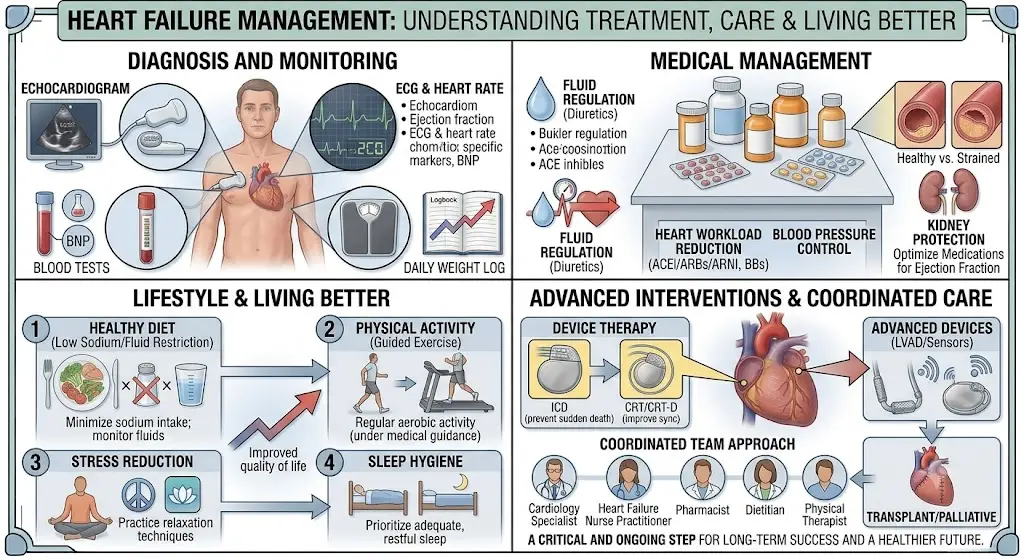
Some patients may require a specialised device designed to coordinate the pumping action of different areas of the heart. This type of treatment may be considered for selected patients with heart failure and certain electrical conduction abnormalities.
Another modern option is the leadless pacemaker. Unlike traditional systems, a leadless pacemaker is a small device placed directly inside the heart through a catheter based procedure. It does not require traditional pacing leads or a surgical pocket beneath the chest skin.
The most appropriate type of pacemaker depends on the patient’s heart rhythm condition and overall medical needs.
What Happens After Pacemaker Implantation?
After the procedure, the patient is monitored by the medical team to ensure that the pacemaker is functioning properly.
The heart rhythm and vital signs are regularly checked. In some cases, imaging may be performed to confirm the position of the pacing leads.
Patients may experience mild discomfort around the implantation area during the initial recovery period. The healthcare team provides guidance regarding pain management and wound care.
It is important to keep the incision area clean and follow all instructions provided by the treating doctor.
Depending on the patient’s condition and the complexity of the procedure, discharge may be possible within a relatively short period.
However, every patient’s recovery experience is different.
Recovery and Returning to Daily Life
Most patients can gradually return to their regular activities after recovering from pacemaker implantation.
During the initial recovery period, the doctor may recommend avoiding excessive movement or heavy lifting involving the arm on the side where the pacemaker was implanted.
This precaution helps allow the area to heal properly and reduces the risk of disturbing the pacing leads.
Patients should attend all scheduled follow up appointments. During these visits, the cardiology team checks the pacemaker and ensures that it is functioning correctly.
Pacemaker settings can be adjusted according to the patient’s individual needs.
Over time, most people with a pacemaker are able to continue with their normal personal and professional activities.
The treating doctor can provide specific advice regarding exercise, travel and other activities based on the patient’s condition.
Living Safely With a Pacemaker
Modern pacemakers are designed to function safely in everyday environments.
However, patients should inform healthcare professionals that they have a pacemaker before undergoing medical procedures or tests.
Certain medical equipment and strong electromagnetic fields may require special precautions.
Patients are also generally provided with information about their pacemaker, including the type of device and important medical details.
It can be helpful to carry this information when travelling or seeking medical care.
Regular pacemaker monitoring is essential. Many modern devices can also be checked remotely, allowing the healthcare team to monitor certain information without requiring frequent in person visits.
The pacemaker battery is designed to last for several years. When the battery begins to reach the end of its expected life, the healthcare team can plan a procedure to replace the generator.
The pacing leads may not always need replacement at the same time.
Possible Risks and Complications
Pacemaker implantation is a commonly performed procedure, but like any medical intervention, it involves certain potential risks.
Minor complications can include discomfort, bruising or swelling around the implantation site.
Other possible complications may include bleeding, infection or movement of a pacing lead.
More serious complications are less common but can occur. The cardiology team takes appropriate precautions to reduce these risks and monitors the patient carefully.
Before the procedure, the doctor discusses the potential benefits and risks based on the patient’s individual medical condition.
For many patients with significant rhythm disorders, the benefits of restoring a reliable heart rhythm can greatly improve daily functioning and quality of life.
The Importance of Regular Follow Up
Receiving a pacemaker is not the end of cardiac care. Regular monitoring remains an important part of maintaining long term heart health.
During follow up appointments, the healthcare team checks the battery status, lead performance and overall function of the pacemaker.
The doctor may also review the patient’s symptoms and other aspects of cardiovascular health.
Patients should seek medical attention if they experience symptoms such as persistent dizziness, fainting, unusual shortness of breath or significant discomfort around the pacemaker site.
Early evaluation can help identify and address potential concerns promptly.
A Better Quality of Life Through Advanced Cardiac Care
For individuals whose heartbeats are too slow or unreliable, a pacemaker can provide essential support to the heart’s natural electrical system.
By helping maintain a more appropriate heart rhythm, the device may reduce symptoms such as dizziness, weakness and fainting.
Advances in cardiac technology have made pacemakers smaller, more sophisticated and increasingly capable of adapting to individual patient needs.
However, the decision to undergo pacemaker implantation should always be made after a detailed evaluation by a qualified cardiologist.
Conclusion
Pacemaker implantation is an important and effective treatment for selected patients with serious heart rhythm disorders. The procedure involves placing a small device that continuously monitors the heart and provides electrical stimulation when the natural heartbeat becomes too slow or irregular.
Modern pacemakers have helped millions of patients manage rhythm related heart conditions and maintain active, fulfilling lives.
If you experience unexplained fainting, persistent dizziness, unusual fatigue or symptoms associated with an abnormal heartbeat, timely medical evaluation is important.
A qualified cardiologist can determine the underlying cause of these symptoms and recommend the most appropriate treatment.
With accurate diagnosis, expert cardiac care and regular follow up, many patients with pacemakers can enjoy improved confidence, greater independence and a better quality of life.

Newsletter
Sign up our newsletter to get update information, news and free insight.
Popular Categories
Latest Post