Dr Utkarsh Kumar Consultant | Cardiologist-Heart Care Centre

Heart Failure Management: Understanding Treatment, Care and Living Better With Heart Failure
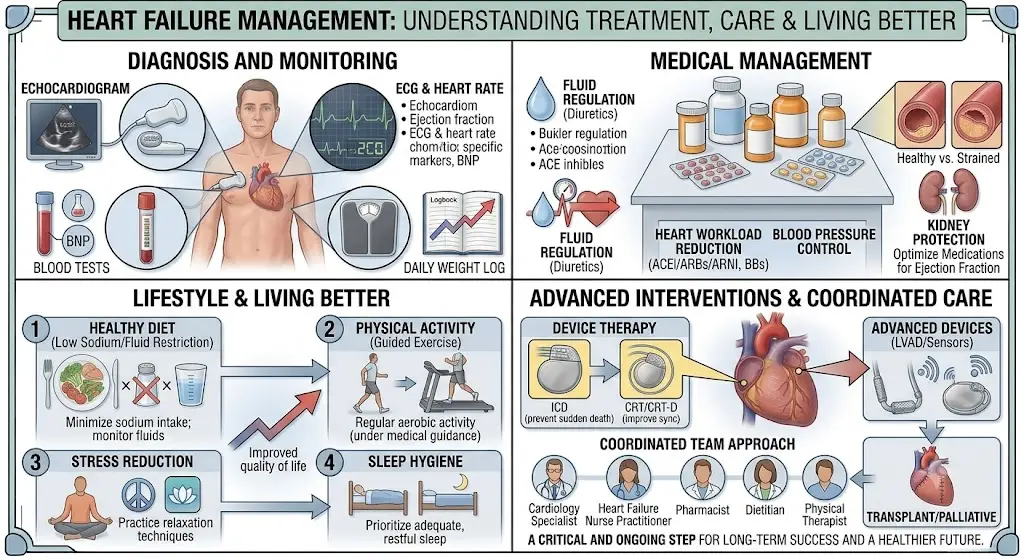
Heart Failure Management: Understanding Treatment, Care and Living Better With Heart Failure

Heart failure is a serious medical condition that occurs when the heart is unable to pump blood as effectively as the body requires. Despite its name, heart failure does not mean that the heart has completely stopped working. Instead, it means that the heart’s pumping ability has become weakened or impaired.

When the heart cannot pump blood efficiently, the body may not receive enough oxygen and nutrients. This can lead to symptoms such as breathlessness, fatigue, swelling and reduced ability to perform everyday activities.

Heart failure can affect people of different ages, although it becomes more common with increasing age and in individuals with certain cardiovascular conditions. Modern advances in cardiology have significantly improved the management of heart failure. With early diagnosis, appropriate treatment and regular follow up, many patients can manage their condition effectively and maintain a good quality of life.

What Causes Heart Failure?

Heart failure can develop because of several underlying heart conditions. One of the most common causes is coronary artery disease, which occurs when the arteries supplying blood to the heart become narrowed or blocked.

A heart attack can damage a portion of the heart muscle and reduce its ability to pump effectively. High blood pressure can also place continuous strain on the heart, eventually causing changes in its structure and function.

Heart valve disease may interfere with the normal movement of blood through the heart. Certain abnormal heart rhythms can also weaken the heart over time.

Other possible causes include cardiomyopathy, congenital heart disease and certain infections affecting the heart muscle.

Identifying the underlying cause is an important part of heart failure management because treatment should address both the symptoms and the factors contributing to the condition.

Understanding the Symptoms of Heart Failure

The symptoms of heart failure can vary depending on the severity of the condition and the areas of the heart affected.

One of the most common symptoms is shortness of breath. Some patients may experience breathlessness during physical activity, while others may find it difficult to breathe comfortably while lying down.

Persistent tiredness and weakness are also common because the body may not receive enough blood to meet its needs.

Fluid retention can cause swelling in the feet, ankles and legs. Some people may also experience rapid weight gain because of fluid accumulation.

Other symptoms can include a persistent cough, reduced exercise capacity, palpitations and a feeling of fullness or discomfort in the abdomen.

Patients who notice a sudden worsening of breathlessness, significant swelling or rapid changes in their overall condition should seek medical attention promptly.

The Importance of Early Diagnosis

Early diagnosis plays an important role in successful heart failure management.

A cardiologist may begin by discussing the patient’s symptoms and medical history. A physical examination can help identify signs of fluid retention and other cardiovascular problems.

Several tests may be used to evaluate heart function.

An electrocardiogram records the electrical activity of the heart and can identify rhythm abnormalities or evidence of previous heart damage.

An echocardiogram uses sound waves to create images of the heart. It provides important information about the heart chambers, valves and pumping function.

Blood tests may also help doctors evaluate heart function and identify conditions that may be contributing to the patient’s symptoms.

Additional investigations may be recommended depending on the individual situation.

A detailed assessment allows the cardiology team to develop a treatment plan tailored to the patient’s specific needs.

Medical Management of Heart Failure

Medications play a central role in the treatment of many patients with heart failure.

The specific medicines recommended depend on the type and severity of heart failure, the patient’s heart function and other medical conditions.

Some medications help the heart work more efficiently and reduce the strain placed on it. Others help control blood pressure and improve long term cardiovascular outcomes.

Diuretics may be prescribed to help the body remove excess fluid. This can reduce swelling and improve symptoms such as breathlessness.

Certain medicines may also help regulate the heart rate or control abnormal heart rhythms.

It is extremely important for patients to take prescribed medications exactly as directed. Stopping or changing heart medication without consulting a healthcare professional can lead to worsening symptoms or serious complications.

Regular follow up appointments allow doctors to monitor the patient’s response to treatment and make adjustments when necessary.

Lifestyle Changes and Daily Heart Care

Medical treatment is only one part of managing heart failure. Healthy lifestyle choices can also make an important difference.

Patients may be advised to follow a balanced diet that supports cardiovascular health. Managing salt intake can be particularly important because excessive sodium may contribute to fluid retention.

Maintaining a healthy body weight can also help reduce the workload placed on the heart.

Regular physical activity may improve strength and overall wellbeing when recommended by the treating healthcare team. The type and amount of exercise should be based on the patient’s individual condition.

Avoiding tobacco is essential for protecting the heart and blood vessels.

Patients should also discuss alcohol consumption with their doctor, as excessive intake may worsen certain heart conditions.

Adequate rest, stress management and consistent medical follow up are important parts of long term care.

Monitoring Symptoms at Home

Patients with heart failure are often encouraged to pay close attention to changes in their symptoms.

Regular monitoring of body weight can help identify fluid retention at an early stage. A sudden increase in weight over a short period may indicate that fluid is accumulating in the body.

Changes in breathing, swelling or exercise tolerance should also be reported to the healthcare team.

Patients should understand which symptoms require urgent medical attention.

Severe breathlessness, persistent chest pain, fainting or a sudden deterioration in overall condition may indicate a serious medical problem.

Having a clear action plan and knowing when to contact a doctor can help patients respond quickly to changing symptoms.

Advanced Treatments for Heart Failure

Some patients with heart failure may require more advanced forms of treatment.

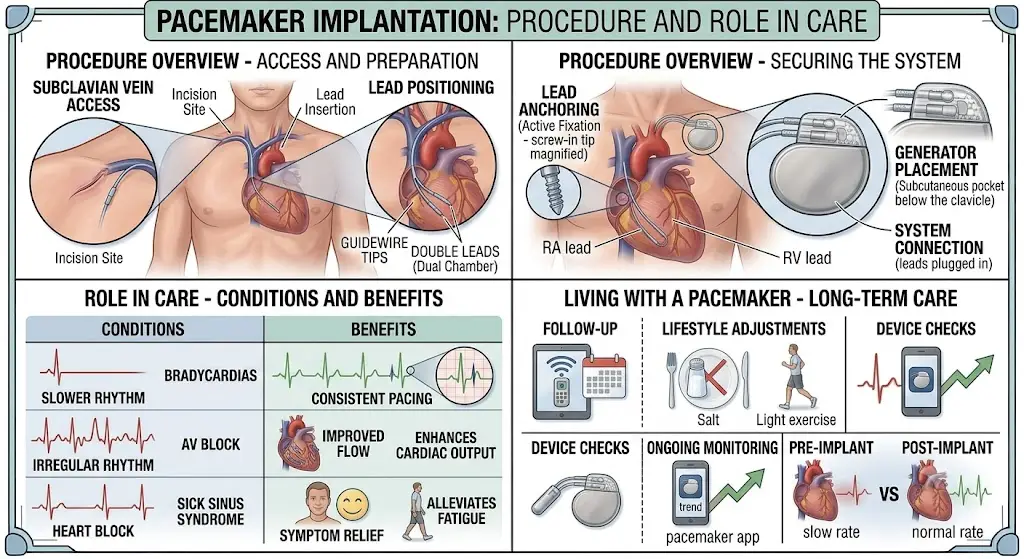
Certain implanted cardiac devices can help manage specific heart rhythm or pumping problems. For example, a pacemaker may be recommended for selected patients with slow or abnormal electrical activity.

Some patients may benefit from specialised devices that improve the coordination of heart contractions.

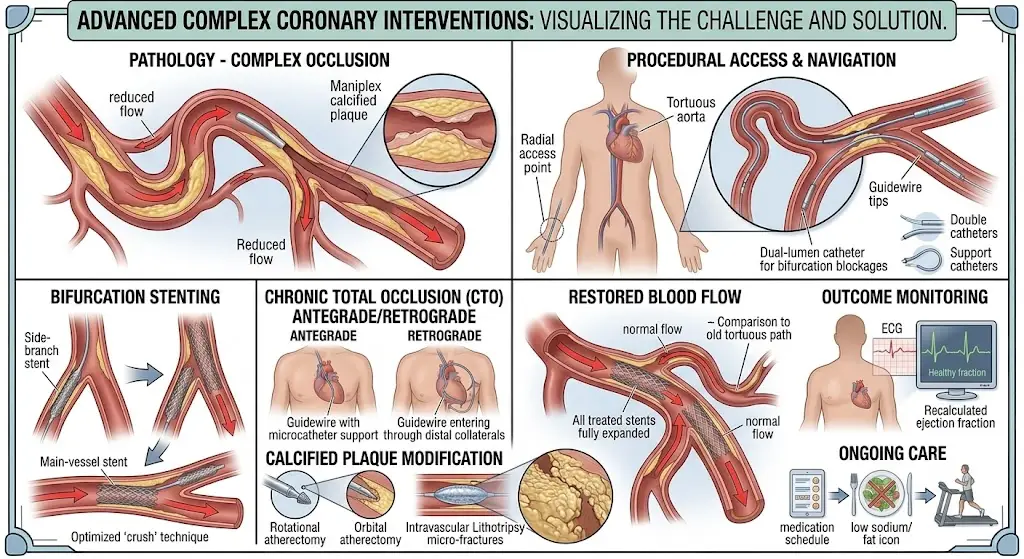
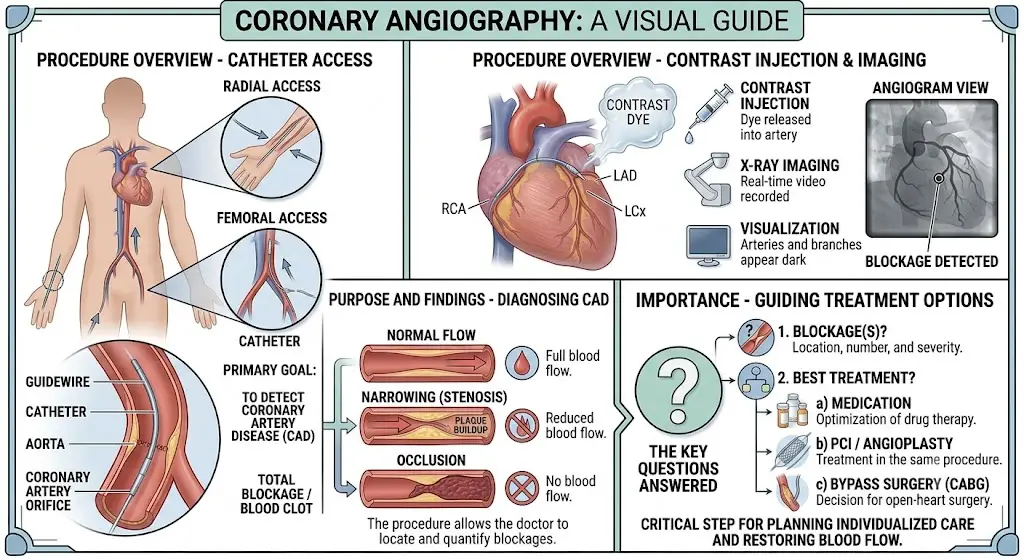
For patients with coronary artery disease, procedures such as angioplasty or other interventions may be considered to improve blood flow to the heart.

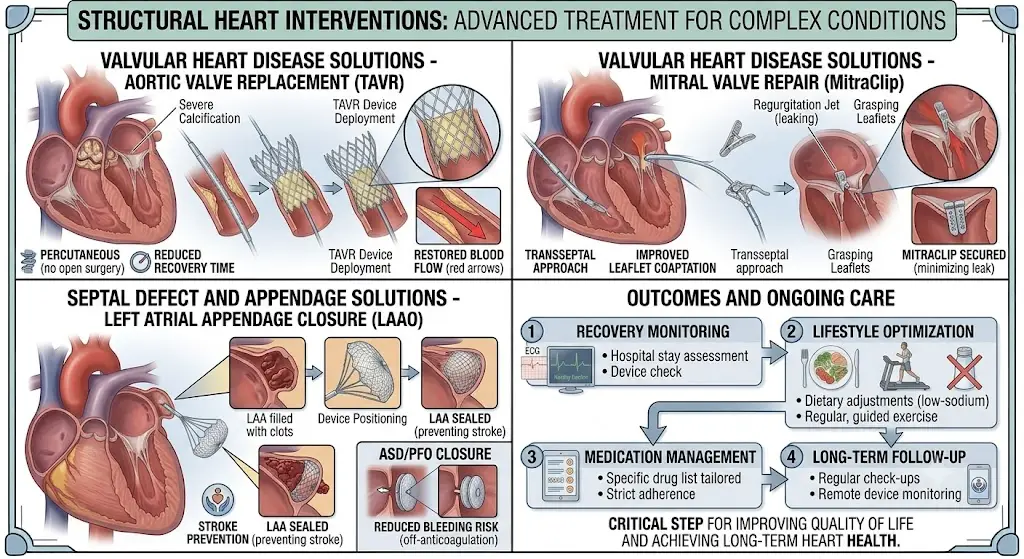
Heart valve repair or replacement may be necessary when severe valve disease is contributing to heart failure.

In advanced cases, specialised therapies and comprehensive evaluation at an experienced heart centre may be required.

The choice of treatment depends on the cause of heart failure, the patient’s symptoms and their overall health.

The Importance of Regular Follow Up

Heart failure is often a long term condition that requires ongoing medical care.

Regular follow up allows the cardiology team to monitor symptoms, heart function and the effectiveness of treatment.

The doctor may adjust medications based on changes in the patient’s condition.

Routine testing may also be performed to monitor kidney function, electrolyte levels and other important health factors.

Open communication between the patient and healthcare team is essential. Patients should feel comfortable discussing new symptoms, medication concerns or difficulties following their treatment plan.

Consistent monitoring can help identify potential problems before they become severe.

Preventing Heart Failure From Getting Worse

Although not every cause of heart failure can be prevented, many patients can take important steps to reduce the risk of their condition worsening.

Controlling high blood pressure is one of the most important measures. Proper management of diabetes and cholesterol levels also supports cardiovascular health.

Patients with coronary artery disease should follow their treatment plan carefully and maintain regular medical appointments.

A heart healthy diet, appropriate physical activity and avoidance of tobacco can contribute to better long term outcomes.

It is also important to receive recommended vaccinations and manage other medical conditions under the guidance of healthcare professionals.

The most effective approach is usually a combination of medical treatment, lifestyle modifications and regular monitoring.

Living With Heart Failure

A diagnosis of heart failure can feel overwhelming, but many people continue to lead active and fulfilling lives with appropriate care.

Understanding the condition can help patients become active participants in their treatment.

Following medical advice, taking prescribed medications and recognising changes in symptoms are all important responsibilities in daily heart failure management.

Family members can also play a valuable role by providing emotional support and helping patients follow their treatment plan.

Cardiac rehabilitation and structured support programmes may be beneficial for suitable patients.

Each person’s experience with heart failure is different, and treatment plans should be tailored to individual needs.

When Should You Seek Immediate Medical Attention?

Some symptoms may indicate a serious worsening of heart failure or another cardiac emergency.

Immediate medical attention may be necessary if a person experiences severe or sudden breathlessness, chest pain, fainting, confusion or a rapid deterioration in their condition.

These symptoms should never be ignored.

Prompt evaluation can help doctors identify the cause and provide appropriate treatment before serious complications develop.

Conclusion

Heart failure management requires a comprehensive and long term approach. Understanding the underlying cause, identifying symptoms early and following an appropriate treatment plan are essential for maintaining heart health.

Modern cardiology offers a wide range of treatment options, including medications, lifestyle guidance, cardiac devices and specialised interventions for selected patients.

Regular follow up and close communication with a qualified cardiology team can help patients manage their symptoms and improve their quality of life.

If you experience persistent breathlessness, unusual fatigue, swelling or a noticeable decline in your ability to perform everyday activities, seeking timely medical evaluation is important.

With early diagnosis, expert cardiac care and a consistent commitment to treatment, many people with heart failure can take meaningful steps toward better health and improved daily living.

Heart Failure Management: Understanding Treatment, Care and Living Better With Heart Failure

Heart Failure Management: Understanding Treatment, Care and Living Better With Heart Failure

Heart failure is a serious medical condition that occurs when the heart is unable to pump blood as effectively as the body requires. Despite its name, heart failure does not mean that the heart has completely stopped working. Instead, it means that the heart’s pumping ability has become weakened or impaired.

When the heart cannot pump blood efficiently, the body may not receive enough oxygen and nutrients. This can lead to symptoms such as breathlessness, fatigue, swelling and reduced ability to perform everyday activities.

Heart failure can affect people of different ages, although it becomes more common with increasing age and in individuals with certain cardiovascular conditions. Modern advances in cardiology have significantly improved the management of heart failure. With early diagnosis, appropriate treatment and regular follow up, many patients can manage their condition effectively and maintain a good quality of life.

What Causes Heart Failure?

Heart failure can develop because of several underlying heart conditions. One of the most common causes is coronary artery disease, which occurs when the arteries supplying blood to the heart become narrowed or blocked.

A heart attack can damage a portion of the heart muscle and reduce its ability to pump effectively. High blood pressure can also place continuous strain on the heart, eventually causing changes in its structure and function.

Heart valve disease may interfere with the normal movement of blood through the heart. Certain abnormal heart rhythms can also weaken the heart over time.

Other possible causes include cardiomyopathy, congenital heart disease and certain infections affecting the heart muscle.

Identifying the underlying cause is an important part of heart failure management because treatment should address both the symptoms and the factors contributing to the condition.

Understanding the Symptoms of Heart Failure

The symptoms of heart failure can vary depending on the severity of the condition and the areas of the heart affected.

One of the most common symptoms is shortness of breath. Some patients may experience breathlessness during physical activity, while others may find it difficult to breathe comfortably while lying down.

Persistent tiredness and weakness are also common because the body may not receive enough blood to meet its needs.

Fluid retention can cause swelling in the feet, ankles and legs. Some people may also experience rapid weight gain because of fluid accumulation.

Other symptoms can include a persistent cough, reduced exercise capacity, palpitations and a feeling of fullness or discomfort in the abdomen.

Patients who notice a sudden worsening of breathlessness, significant swelling or rapid changes in their overall condition should seek medical attention promptly.

The Importance of Early Diagnosis

Early diagnosis plays an important role in successful heart failure management.

A cardiologist may begin by discussing the patient’s symptoms and medical history. A physical examination can help identify signs of fluid retention and other cardiovascular problems.

Several tests may be used to evaluate heart function.

An electrocardiogram records the electrical activity of the heart and can identify rhythm abnormalities or evidence of previous heart damage.

An echocardiogram uses sound waves to create images of the heart. It provides important information about the heart chambers, valves and pumping function.

Blood tests may also help doctors evaluate heart function and identify conditions that may be contributing to the patient’s symptoms.

Additional investigations may be recommended depending on the individual situation.

A detailed assessment allows the cardiology team to develop a treatment plan tailored to the patient’s specific needs.

Medical Management of Heart Failure

Medications play a central role in the treatment of many patients with heart failure.

The specific medicines recommended depend on the type and severity of heart failure, the patient’s heart function and other medical conditions.

Some medications help the heart work more efficiently and reduce the strain placed on it. Others help control blood pressure and improve long term cardiovascular outcomes.

Diuretics may be prescribed to help the body remove excess fluid. This can reduce swelling and improve symptoms such as breathlessness.

Certain medicines may also help regulate the heart rate or control abnormal heart rhythms.

It is extremely important for patients to take prescribed medications exactly as directed. Stopping or changing heart medication without consulting a healthcare professional can lead to worsening symptoms or serious complications.

Regular follow up appointments allow doctors to monitor the patient’s response to treatment and make adjustments when necessary.

Lifestyle Changes and Daily Heart Care

Medical treatment is only one part of managing heart failure. Healthy lifestyle choices can also make an important difference.

Patients may be advised to follow a balanced diet that supports cardiovascular health. Managing salt intake can be particularly important because excessive sodium may contribute to fluid retention.

Maintaining a healthy body weight can also help reduce the workload placed on the heart.

Regular physical activity may improve strength and overall wellbeing when recommended by the treating healthcare team. The type and amount of exercise should be based on the patient’s individual condition.

Avoiding tobacco is essential for protecting the heart and blood vessels.

Patients should also discuss alcohol consumption with their doctor, as excessive intake may worsen certain heart conditions.

Adequate rest, stress management and consistent medical follow up are important parts of long term care.

Monitoring Symptoms at Home

Patients with heart failure are often encouraged to pay close attention to changes in their symptoms.

Regular monitoring of body weight can help identify fluid retention at an early stage. A sudden increase in weight over a short period may indicate that fluid is accumulating in the body.

Changes in breathing, swelling or exercise tolerance should also be reported to the healthcare team.

Patients should understand which symptoms require urgent medical attention.

Severe breathlessness, persistent chest pain, fainting or a sudden deterioration in overall condition may indicate a serious medical problem.

Having a clear action plan and knowing when to contact a doctor can help patients respond quickly to changing symptoms.

Advanced Treatments for Heart Failure

Some patients with heart failure may require more advanced forms of treatment.

Certain implanted cardiac devices can help manage specific heart rhythm or pumping problems. For example, a pacemaker may be recommended for selected patients with slow or abnormal electrical activity.

Some patients may benefit from specialised devices that improve the coordination of heart contractions.

For patients with coronary artery disease, procedures such as angioplasty or other interventions may be considered to improve blood flow to the heart.

Heart valve repair or replacement may be necessary when severe valve disease is contributing to heart failure.

In advanced cases, specialised therapies and comprehensive evaluation at an experienced heart centre may be required.

The choice of treatment depends on the cause of heart failure, the patient’s symptoms and their overall health.

The Importance of Regular Follow Up

Heart failure is often a long term condition that requires ongoing medical care.

Regular follow up allows the cardiology team to monitor symptoms, heart function and the effectiveness of treatment.

The doctor may adjust medications based on changes in the patient’s condition.

Routine testing may also be performed to monitor kidney function, electrolyte levels and other important health factors.

Open communication between the patient and healthcare team is essential. Patients should feel comfortable discussing new symptoms, medication concerns or difficulties following their treatment plan.

Consistent monitoring can help identify potential problems before they become severe.

Preventing Heart Failure From Getting Worse

Although not every cause of heart failure can be prevented, many patients can take important steps to reduce the risk of their condition worsening.

Controlling high blood pressure is one of the most important measures. Proper management of diabetes and cholesterol levels also supports cardiovascular health.

Patients with coronary artery disease should follow their treatment plan carefully and maintain regular medical appointments.

A heart healthy diet, appropriate physical activity and avoidance of tobacco can contribute to better long term outcomes.

It is also important to receive recommended vaccinations and manage other medical conditions under the guidance of healthcare professionals.

The most effective approach is usually a combination of medical treatment, lifestyle modifications and regular monitoring.

Living With Heart Failure

A diagnosis of heart failure can feel overwhelming, but many people continue to lead active and fulfilling lives with appropriate care.

Understanding the condition can help patients become active participants in their treatment.

Following medical advice, taking prescribed medications and recognising changes in symptoms are all important responsibilities in daily heart failure management.

Family members can also play a valuable role by providing emotional support and helping patients follow their treatment plan.

Cardiac rehabilitation and structured support programmes may be beneficial for suitable patients.

Each person’s experience with heart failure is different, and treatment plans should be tailored to individual needs.

When Should You Seek Immediate Medical Attention?

Some symptoms may indicate a serious worsening of heart failure or another cardiac emergency.

Immediate medical attention may be necessary if a person experiences severe or sudden breathlessness, chest pain, fainting, confusion or a rapid deterioration in their condition.

These symptoms should never be ignored.

Prompt evaluation can help doctors identify the cause and provide appropriate treatment before serious complications develop.

Conclusion

Heart failure management requires a comprehensive and long term approach. Understanding the underlying cause, identifying symptoms early and following an appropriate treatment plan are essential for maintaining heart health.

Modern cardiology offers a wide range of treatment options, including medications, lifestyle guidance, cardiac devices and specialised interventions for selected patients.

Regular follow up and close communication with a qualified cardiology team can help patients manage their symptoms and improve their quality of life.

If you experience persistent breathlessness, unusual fatigue, swelling or a noticeable decline in your ability to perform everyday activities, seeking timely medical evaluation is important.

With early diagnosis, expert cardiac care and a consistent commitment to treatment, many people with heart failure can take meaningful steps toward better health and improved daily living.

Facebook
Twitter
LinkedIn
Print

Leave a Reply

Your email address will not be published. Required fields are marked *

Facebook
Twitter
LinkedIn
Print

Leave a Reply

Your email address will not be published. Required fields are marked *